It has become a common excuse among the Dominican political class to use tourism as the bogeyman whenever criticism or problems within the Dominican aviation sector are raised, always citing its importance to the Dominican economy and arguing that public awareness of such problems could harm the industry.
But that is not how the major aviation systems operate in the world’s most developed democracies, where the first step in addressing any problem is to clearly identify it and tackle it. In our country, however, this practice is persecuted and even considered “traitorous” to the national interest, while those who have dared to speak openly have been pushed out of the system or, in the case of those of us who live abroad, labeled “alarmists.”
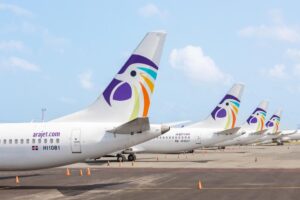
Yet, as we have said countless times, our civil aviation system is going through a period of considerable stress. The rapid growth of airlines such as Arajet and airport business groups such as Grupo Punta Cana has been met with a timid government response to the sector’s needs, at times tolerating serious deviations by powerful corporate interests to the detriment of the system.
The Audits
In weak systems such as ours, where political, business, and technical interests are constantly intertwined, only international audits can help establish a certain level of truth and, through that process, push for improvements that go beyond the superficial. But when those audits are conducted by organizations that receive most of their resources from the very States they audit, we once again enter a web of interests that ultimately affects the system.
The country generally faces two types of international civil aviation audits: those conducted by the International Civil Aviation Organization (ICAO) and those carried out by other States seeking to protect their own aviation systems. In ICAO’s case, such audits are conducted once or twice during a 10-year period and result in a compliance score, where 100% means that a State complies with all ICAO standards and guidelines.
State-to-State audits, such as those conducted by the Federal Aviation Administration (FAA), on the other hand, are carried out when a State initially establishes commercial airline operations to the auditing country, and thereafter only when concerns increase regarding another State’s management of aviation safety—as occurred in the Dominican Republic in 2023–24.
An ICAO Operating Under Financial Constraints
ICAO is a United Nations agency headquartered in Montreal, Canada, whose budget depends heavily on contributions from the member States of the Convention on International Civil Aviation.
ICAO’s annual operating budget is approximately US$86.44 million, of which member States contribute 89%, or roughly US$76 million. The remaining 11%—approximately US$9.5 million—is generated through services provided by ICAO, including the sale of access to its regulations—yes, this international regulatory body charges for access to its regulations—as well as educational materials, seminars, voluntary contributions, and other sources.
Every year, ICAO must hold a series of events around the world to help cover its operating expenses, and this is where lobbying and contributions from countries seeking ICAO’s approval come into play. And of course, like any human institution, a friend who helps you financially during difficult times tends to earn your appreciation and support.
Dominican “Generosity”
The Dominican Republic has become one of ICAO’s preferred countries for hosting regional events. Over the past four years, the Dominican Republic has hosted five ICAO events, totaling approximately US$3.7 million (RD$220 million) among those events for which expenditure data is publicly available—well above the regional average.
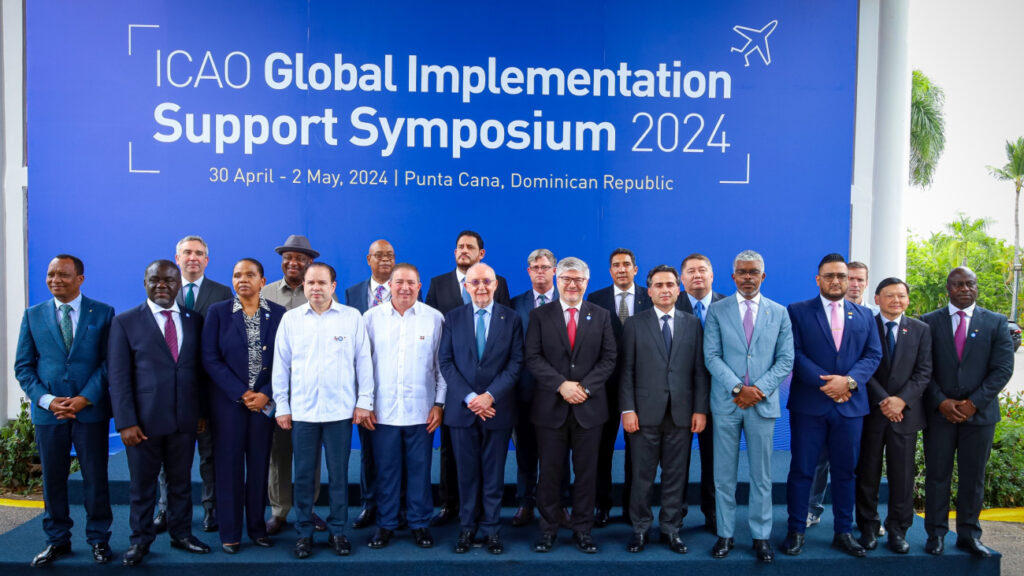
The largest event of this kind in recent years was the ICAO Global Implementation Support Symposium (GISS), held in our country in 2024. According to records from the Dominican Republic’s Electronic Public Procurement System, IDAC awarded at least RD$170.07 million—approximately US$2.9 million—in contracts related to the event.
It is precisely because of the exceptionally high cost imposed on host countries that this ICAO symposium has generally been held in countries with economies far larger than ours: Türkiye in 2022, South Korea in 2023, and the United Arab Emirates in 2025. ICAO itself stated at the conclusion of the event that GISS 2024 had benefited from the “generous support of the Government of the Dominican Republic” and that it had been organized and hosted by IDAC.
ICAO’s second major annual event, also held in the Dominican Republic, was the ICAO Air Services Negotiation Event (ICAN), held in Punta Cana in 2025, for which the Dominican State committed at least RD$47.26 million—approximately US$728,000—in public procurement contracts associated with the event. Its primary purpose is to bring together aviation authorities from dozens of countries in one location so they can conduct bilateral, regional, or plurilateral air services negotiations.
If we add regional events such as meetings of Latin American civil aviation agency directors and meetings of ICAO regional aviation safety committees held in the Dominican Republic during the Abinader administration, total expenditures exceed RD$300 million in just six years.
When we compare the Dominican Republic with regional economies of similar size, we do not find spending on multiple ICAO events of this magnitude. The same is true when comparing this period with previous Dominican administrations, when, in keeping with the regional norm, the country would occasionally host one regional meeting or another.
The Lobbying
It could be argued that the country benefits from holding these meetings within our borders. But when we look closely at what has actually been signed or achieved, it becomes clear that essentially the same results could have been obtained by sending delegations to those same events in other countries, because the government has very little to show in terms of agreements or improvements.
For this reason, when ICAO announces that it will conduct an audit of the Dominican Republic in 2027 and the country asks for it to be postponed, it is understandable that ICAO would accommodate such a “generous” State and reschedule the audit, even though no new specific date has yet been established.
As a country, we must begin asking ourselves what is strategically more beneficial: maintaining a weak system insulated from international audits through lobbying and multimillion-peso spending on ICAO events in the Dominican Republic or exposing ourselves to the stress tests of those audits and genuinely improving the system. The health not only of civil aviation, but of the entire Dominican tourism industry, depends on transparency and the proper management of that system—not the other way around.