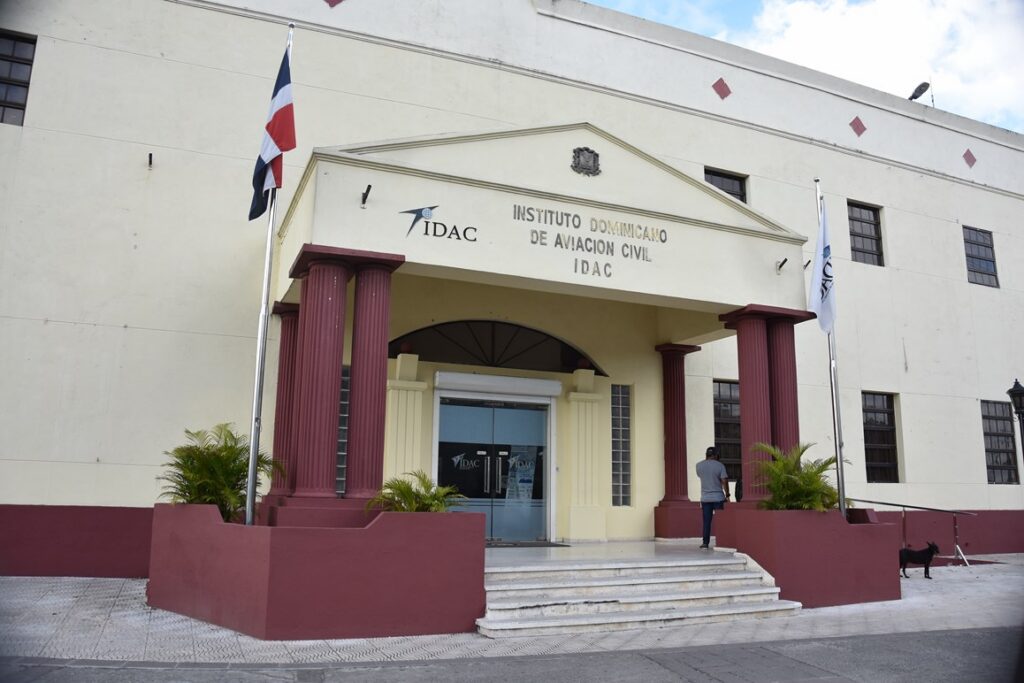
Since the Captains Council began its operations four years ago, our primary focus has been improving aviation safety in the Dominican Republic, including the trust, procedures, and use of the reporting systems through which pilots and other aviation professionals share information with the Dominican Civil Aviation Institute (IDAC). One of our most significant battles was our participation in the special committee of the Chamber of Deputies tasked with reviewing the Civil Aviation Law. During those discussions, we expressed our opposition to increasing fines for pilots and other aviation professionals, as well as to adopting a punitive philosophy in the management of aviation safety. At that time, committee members promised to revisit the issue and improve what had been proposed, as IDAC maintained that these changes had been required by the Federal Aviation Administration (FAA) for the country to successfully complete its aviation safety category assessment.
That effort continued when we raised concerns with IDAC Director Igor Rodríguez over the exclusion of pilot organizations from the development of the regulations implementing that law, known as RAD 20. In response to our complaint, the director invited us to a meeting with the international advisory team, led by the well-known Javier “Jay” Rodríguez, along with members of IDAC’s legal and regulatory staff. What followed was a heated debate between our team of captains and Jay’s team, as their proposals appeared to take us back to an outdated era of punitive regulatory philosophy, rather than embracing the collaborative approach that now prevails throughout international aviation.
IDAC’s Main Proposals Under RAD 112
IDAC’s proposed implementation of the new Dominican Aviation Regulation (RAD) 112 introduces a fundamental restructuring of the country’s state-managed aviation safety reporting system. The proposal seeks to consolidate reporting requirements for general aviation operations, flight schools, drones, aircraft maintenance, aviation service providers, and airlines into a single regulatory framework, imposing the same level of scrutiny and requirements on a private pilot flying alone in a Cessna as on a Boeing 737 captain carrying 150 passengers.
The proposed regulation draws upon European models regarding mandatory reporting requirements, but fails to incorporate other European provisions designed to protect the confidentiality of those submitting reports and promote cooperation with authorities through what is known as Just Culture. Under this proposal, IDAC takes the list of occurrences requiring mandatory reporting to an extreme. When combined with the fines established under the ill-conceived Civil Aviation Law 491-06, this approach creates severe penalties for common operational errors. In other words, IDAC is once again bringing down the hammer of punitive enforcement on Dominican pilots, without even seeking consensus among the country’s various pilot organizations before introducing the proposal.
Civil Society’s Response
The Captains Council submitted a comparative analysis to IDAC’s director and its Flight Standards Directorate, presenting its professional assessment of the damaging consequences these changes could have on the country’s already fragile aviation safety reporting system. As we have stated previously, the vast majority of pilots do not trust IDAC enough to submit safety reports, given the institution’s poor historical record of protecting the confidentiality of those reports.
In its analysis, the Captains Council emphasized the importance of keeping the Dominican regulatory philosophy as closely aligned as possible with that of the United States. Beyond the geographic proximity of the two countries, Dominican aviation is deeply interconnected with the American aviation system, from pilot training to the overwhelming volume of flights originating in the United States and arriving in our country. Introducing such significant departures from these regulatory foundations only creates greater distance between our aviation system and what should be our principal aviation market.
As the country’s aviation regulatory authority, IDAC must do a better job of incorporating the perspectives of Dominican pilots and aviation professionals into reforms affecting the systems these professionals must use in their daily operations. Dominican administrative law is founded on the principle of collaboration, under which regulatory authorities are, at least in theory, expected to consider the views of regulated stakeholders when developing new regulations.
IDAC has failed to uphold this fundamental principle of public administration. Our organizations remain willing to collaborate with IDAC in finding the appropriate balance and modernizing our aviation regulatory framework, a transformation our country urgently needs in order to move forward.
THE CAPTAINS COUNCIL PODCAST episode related to this article:
Documents related to this article: