The tourism expansion policy has been one of the most recognized initiatives of the administration of President Luis Abinader. Each month, the Minister of Tourism, David Collado, carries out activities either within the country or abroad, presenting the latest figures on the growth in the number of tourists visiting the country. Year after year, it has become customary for previous records to be broken and new milestones reached. While pilots, like the rest of the Dominican population, celebrate these achievements, we have begun to notice a certain disconnect in how this growth is being managed—particularly when it comes to handling the resulting increase in air traffic, which is the primary means of entry for many of these tourists.
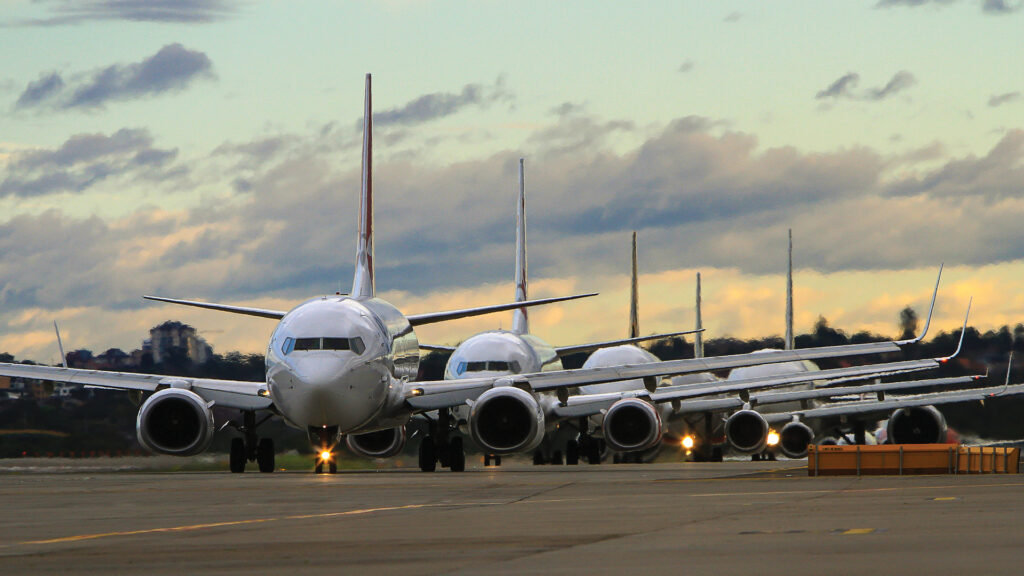
The policy of increasing visitor numbers has not been matched by improvements in the capabilities of the country’s air traffic control system (ATC). Although there have been some improvements, the system has lagged behind in adapting to the steady annual increase in flights. Air passenger traffic has grown from 14 million passengers per year in 2020 to 19 million in 2025—an increase of more than 35% in just five years—while the air traffic control system, along with the rest of the Dominican Institute of Civil Aviation (IDAC), remains essentially the same size.
This situation is further compounded by structural challenges such as the growing number of airports across the country (at times it seems the government wants an airport in every province); significant delays in the implementation of new communication technologies such as ADS-B and CPDLC systems; delays in airspace reorganization; and a workforce increasingly strained by the combination of workload and lack of institutional support. Altogether, this results in a system under pressure that, with even minor disruptions to operational balance, faces a significant increase in operational risk.
As airline pilots in the United States, we recognize that this is a story we have seen before. The U.S. has one of the most outdated air traffic control systems in the developed world. Despite having some of the most congested airspace globally, the implementation of new technologies to better manage this traffic has been slow, and the hiring of new air traffic controllers—needed to meet high demand—has also been slow or, at times, regressive. This has led to an increase in significant aviation accidents and incidents related to air traffic control. Such was the case with the collision between a passenger aircraft and a military helicopter in Washington, DC in January 2025, which resulted in 67 fatalities, as well as the recent accident at LaGuardia Airport in New York, involving an aircraft and a fire truck, which resulted in two fatalities.
Earlier this week, the Captains Council, a U.S.-based nonprofit think tank composed of airline captains, issued a press release expressing concern about the situation of Dominican ATC. Through communication with both Dominican and American pilots, as well as Dominican air traffic controllers, the organization has identified several structural weaknesses affecting the ATC service in the country, along with specific incidents that demonstrate the level of pressure on the system.
It is now up to the government to understand the enormous challenge facing the air traffic control system as a result of the very tourism expansion policy it has implemented. There is still time to take corrective measures that can strengthen the system and bring it to the level required to meet this challenge. Failing to do so would mean continuing to rely on hope—and risking that the Dominican Republic may experience an accident similar to those recently seen in the United States.
This article was featured in the Spanish aviation weekly column by Francisco Díaz, in Acento on 2nd. April, 2026, link: https://acento.com.do/opinion/preocupacion-por-situacion-del-control-transito-aereo-en-republica-dominicana-9650963.html